
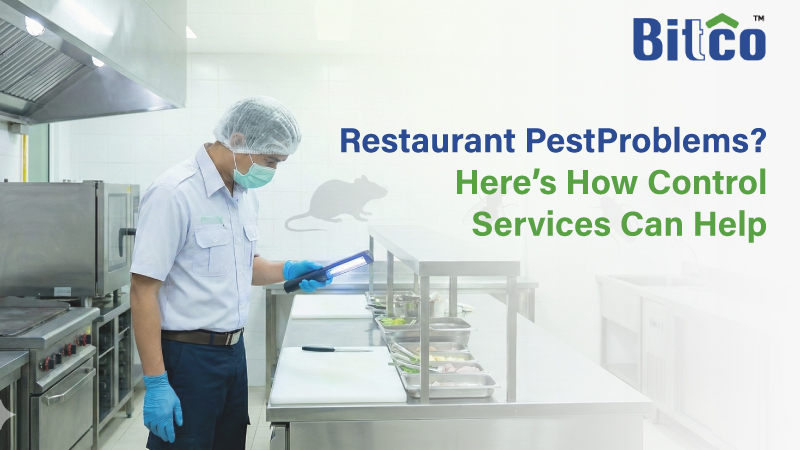
Running a restaurant is about more than great food and good service. Cleanliness, hygiene, and safety shape customer trust and long-term success. One of the biggest threats to a restaurant’s reputation and operations is pest infestation. From cockroaches in kitchens to rodents in storage areas, pest problems can grow quickly and create serious business risks. explains restaurant pest problems in detail and how professional solutions can protect your establishment, customers, and brand image.
Understanding the Reality of Restaurant Pest Problems
Restaurants naturally attract pests because they provide food, water, warmth, and shelter. Even the most well-managed kitchens face risks due to constant deliveries, waste generation, and high foot traffic. Pests are not just unpleasant; they can cause food contamination, property damage, and legal issues. Health inspectors take pest sightings seriously. A single complaint or inspection failure can result in fines, closure notices, or public listing of violations. Customers today are highly vocal on social media and review platforms. One negative experience can damage years of hard-earned reputation. That is why Restaurant pest control is not an optional service but a core operational requirement for food businesses of every size.
Common Pests Found in Restaurants
Different pests create different problems, but all of them threaten hygiene and compliance. Understanding them helps in choosing the right Pest control services.
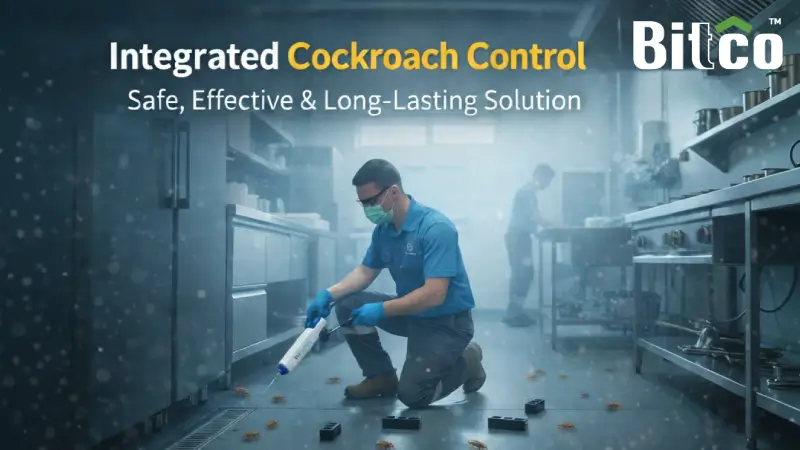
- Cockroaches: Cockroaches thrive in warm, dark, and moist environments such as kitchens and drains. They spread bacteria and contaminate surfaces, utensils, and food storage areas. Their presence often indicates deeper sanitation gaps.
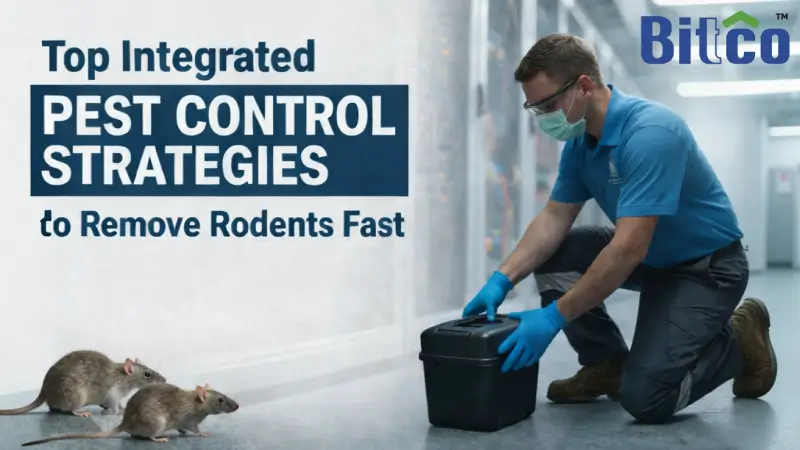
- Rodents: Rats and mice chew wiring, damage walls, and contaminate food with droppings and urine. They reproduce quickly and can move unnoticed through storage areas and false ceilings.
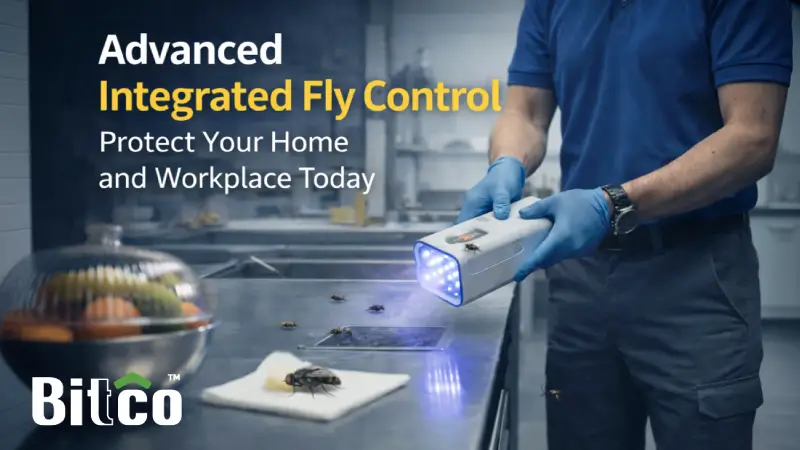
- Flies: Flies carry pathogens from garbage and sewage to food preparation areas. Even a few flies in the dining area can drive customers away.
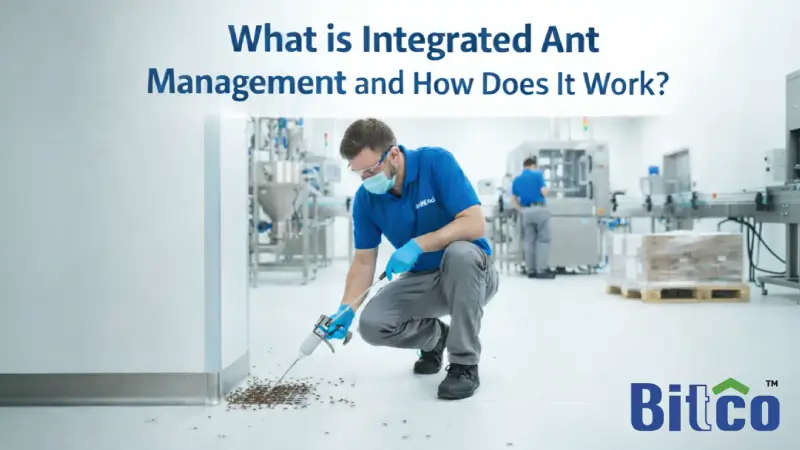
- Ants: Ant infestations often start small but spread rapidly when food sources are accessible. They contaminate ingredients and packaged items.
- Stored Product Pests: These pests attack grains, flour, spices, and dry food items, leading to wastage and financial loss.
Each of these pests requires targeted Restaurant pest control methods rather than one-size-fits-all treatments.
Why Restaurants Are High-Risk Environments for Pests
Restaurants operate under conditions that naturally attract pests. Daily food preparation, waste disposal, water usage, and open access points increase vulnerability. Staff movement, supplier deliveries, and customer entry create multiple opportunities for pests to enter unnoticed. Poorly sealed doors, cracks in walls, unclean drains, and improper waste handling increase infestation risks. Even well-cleaned restaurants can face problems without structured Pest control services designed specifically for food businesses.
The Role of Professional Pest Control Services
The use of professional Pest control services is aimed at prevention, monitoring and long-term control as opposed to temporary relief. They begin the process by taking a thorough examination of pest species, points of entry and nesting sites, and dangerous zones. Compared to generic treatments, professional solutions are based on industry accepted practices that are in tandem with food safety standards. This will minimize health risks and at the same time adhere to regulatory measures. Bitco Integrated pest management LLP has systematic processes which assist the restaurants to control the pests without disturbing the daily activities and without affecting food safety.
How Restaurant Pest Control Protects Food Safety
One thing that cannot be compromised in the restaurant industry is food safety. Pests bring with them bacteria, viruses and allergens that reduce the quality of food. Professional Restaurant pest control reduces the risks of contamination with the help of scheduled inspections, specific treatments and sanitation recommendations. Pest professionals help restaurants to avoid infestations through identification of areas that are vulnerable like storage rooms, waste areas, and drains before it turns out to be a problem.
Long-Term Benefits of Pest Control Services for Restaurants
Professional Pest control services not only have the advantage of eliminating pests in the short term. This is because it helps preserve brand reputation through ensuring a clean and hygienic environment. Customers are assured to eat in restaurants that are safety conscious. Second, it also enables adherence to health regulations. Cases of pest control are kept in records that are used during the inspections. Third, it minimizes losses related to food wastage, destruction of property and emergency closures. Lastly, it leaves a better working environment to the employees by exposing them to fewer pests and pesticides.
Integrated Pest Management for Restaurants
Modern Restaurant pest control relies on Integrated Pest Management (IPM). This method focuses on inspection, monitoring, sanitation, exclusion, and controlled treatments. Instead of relying heavily on chemicals, IPM reduces pest attraction sources and blocks entry points. This approach suits restaurants because it balances effectiveness with food safety. Bitco Integrated Pest Management LLP applies IPM strategies tailored to restaurant layouts, cuisine types, and operational schedules.
Why Choose Us
Bitco Integrated Pest Management LLP stands out because of its focused approach to restaurant environments and food safety standards. Our team understands the daily challenges restaurants face and designs Restaurant pest control programs that align with operational workflows. We emphasize inspection, prevention, and responsible treatments to support hygiene and compliance. With structured processes, trained professionals, and service transparency, Bitco Integrated Pest Management LLP supports restaurants in maintaining safe, clean, and pest-free spaces without disrupting business operations.
Conclusion
Restaurant pest problems threaten hygiene, safety, and reputation. From food contamination to regulatory penalties, the risks affect every part of restaurant operations. Professional Restaurant pest control offers structured solutions that focus on prevention, monitoring, and compliance. By partnering with experienced providers, restaurants protect customer trust, reduce losses, and maintain operational stability. Pest control services designed specifically for food businesses create safer kitchens and dining spaces. With consistent management, restaurants can focus on delivering great food while maintaining clean, pest-free environments that support long-term success and brand credibility.
Call to Action
Restaurant pest problems can grow fast without professional support. Call us +91 844 844 4801 or email info@bitcopestcontrol.com.
Key Takeaways
- Restaurants are high-risk environments for pests
Kitchens, storage areas, waste zones, and high foot traffic make restaurants prone to cockroaches, rodents, flies, ants, and stored product pests, all of which threaten food safety and hygiene. - Professional pest control ensures food safety and compliance
Experts identify pest hotspots, entry points, and breeding zones, applying targeted treatments that minimize contamination risks while following regulatory standards. - Integrated Pest Management (IPM) is the most effective approach
IPM combines inspection, monitoring, sanitation, exclusion, and controlled treatments, reducing reliance on chemicals and preventing pest attraction while maintaining safe food environments. - Preventive practices complement professional services
Proper waste management, regular cleaning of drains and storage, staff training, and early detection work alongside professional treatments to create a robust, long-term defense against pests. - Investing in pest control protects reputation and business continuity
Consistent pest management builds customer trust, ensures regulatory compliance, reduces financial losses from contamination or property damage, and supports the restaurant’s long-term growth.
FAQs
Why is restaurant pest control important?
Restaurant pest control protects food safety, supports hygiene standards, and reduces the risk of health violations and customer complaints.
How often should pest control services be scheduled for restaurants?
Most restaurants benefit from regular monthly or quarterly Pest control services, depending on size, location, and risk factors.
Are pest control treatments safe for food areas?
Professional Restaurant pest control follows approved methods designed for food environments, minimizing risks to staff and customers.
What are early signs of pest infestation in restaurants?
Droppings, unusual odors, damaged packaging, and increased insect sightings often indicate pest activity.
Can pest control help during health inspections?
Yes, documented Pest control services support compliance and demonstrate proactive hygiene management during inspections.