
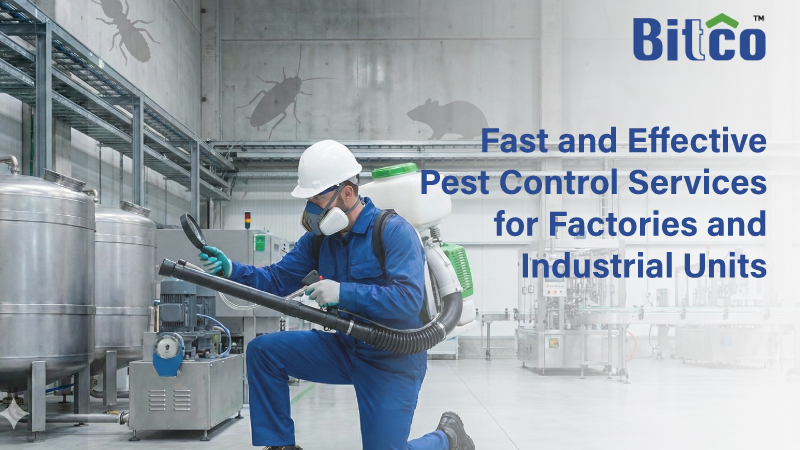
Factories and industrial units operate in high-risk environments where pests can easily thrive due to constant material movement, storage areas, machinery warmth, and waste generation. Even a minor infestation can interrupt production, damage raw materials, and create compliance challenges. This is why professional pest management is not a luxury but a core operational requirement. Businesses today look for solutions that are fast, methodical, and aligned with industrial safety standards. Bitco Integrated Pest Management LLP understands the realities of industrial operations and delivers structured solutions designed for complex factory environments. explains the importance of industrial pest control, common pest challenges in factories, professional treatment approaches, and how the right partner supports long-term operational stability.
Understanding Pest Risks in Industrial and Factory Settings
Factories differ from residential or commercial spaces. Large floor areas, multiple entry points, raw material storage, packaging zones, and employee facilities together create multiple risk zones for pest activity. Rodents, insects, birds, and crawling pests often find food sources and shelter within industrial premises if preventive systems are weak. Pests in factories can cause contamination of products, damage to equipment, and loss of brand credibility. In industries like food processing, pharmaceuticals, textiles, and warehousing, pest activity directly affects regulatory compliance. Effective Factory Pest Control focuses on prevention, monitoring, and targeted treatments rather than reactive measures.
Common Pests Found in Factories and Industrial Units
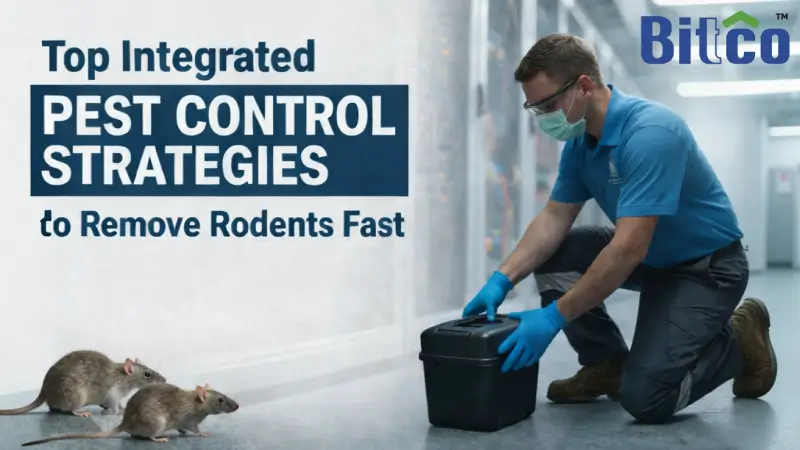
- Rodents: Rats and mice are among the most destructive pests in factories. They damage electrical wiring, contaminate materials, and reproduce rapidly. Their presence often remains unnoticed until serious losses occur.
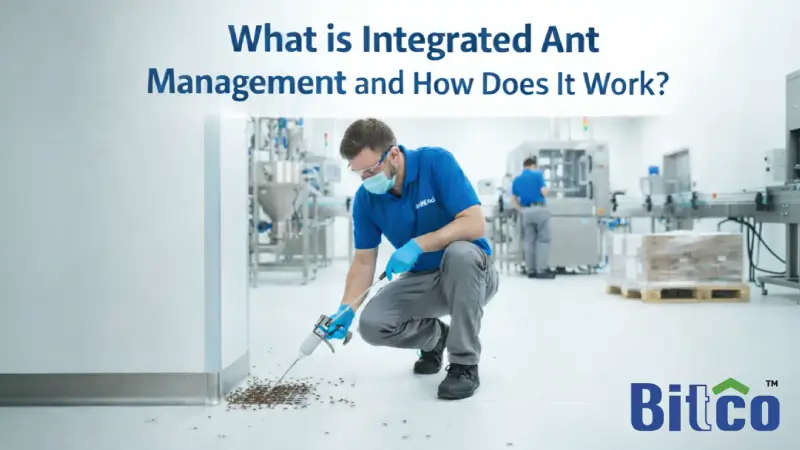
- Crawling Insects: Cockroaches, ants, and beetles frequently enter factories through packaging materials and drainage systems. These pests spread bacteria and affect hygiene standards, especially in food and beverage units.
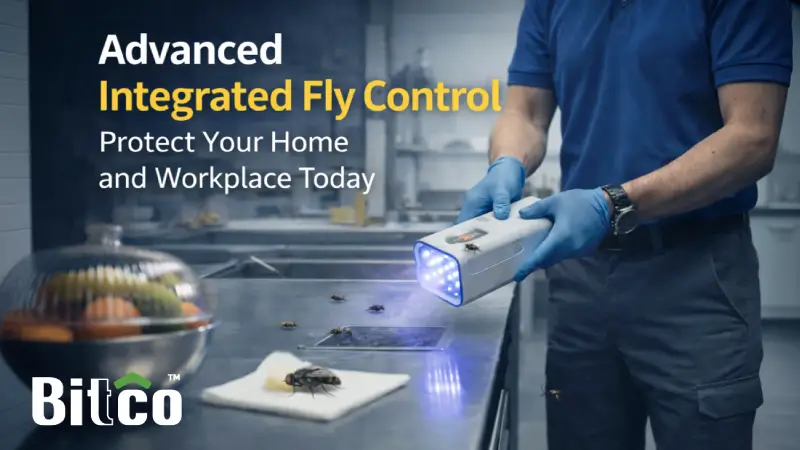
- Flying Insects: Flies and mosquitoes pose contamination risks in production and storage areas. Improper waste handling often attracts them, creating compliance challenges.
- Stored Product Pests: Warehouses and raw material storage areas commonly face infestations from weevils and moths. These pests damage inventory and lead to significant financial loss.
Professional Pest Control Services are designed to address each of these threats using structured inspection and treatment plans.
Why Factory Pest Control Requires Specialized Expertise
Industrial pest management differs greatly from household treatments. Factories operate continuously, and pest control methods must align with safety protocols, employee movement, and machinery operations. A professional approach focuses on:
- Site-specific risk assessment
- Zonal treatment planning
- Minimal disruption to production
- Long-term preventive strategies
Generic treatments rarely work in industrial settings. A customized Factory Pest Control program focuses on eliminating existing infestations while reducing future risks through monitoring and sanitation guidance.
Integrated Pest Management for Industrial Units
Integrated Pest Management (IPM) is a structured approach that combines inspection, monitoring, sanitation, exclusion, and controlled treatment application. This method prioritizes safety and sustainability while delivering effective results. Bitco Integrated Pest Management LLP applies IPM principles to industrial environments by identifying pest entry points, monitoring activity trends, and applying targeted treatments based on actual risk levels. This approach supports operational continuity and compliance requirements without excessive chemical usage.
Importance of Compliance and Safety in Industrial Pest Control
Factories often operate under strict regulatory frameworks. Pest management activities must align with safety standards, audit requirements, and internal quality protocols. Poor pest control practices can lead to failed audits, rejected consignments, and operational shutdowns. Professional Pest Control Services follow documented procedures, use approved treatment methods, and maintain service records for audit support. This level of accountability plays a major role in maintaining business continuity.
Preventive Measures That Support Long-Term Pest Control
While treatments address active infestations, prevention defines long-term success. Factories benefit from:
- Sealing entry points and gaps
- Proper waste handling systems
- Regular sanitation audits
- Staff awareness programs
A preventive Factory Pest Control strategy reduces dependency on frequent treatments and creates a controlled environment where pests struggle to survive.
Role of Monitoring and Reporting
Pest control in industries relies on data. The patterns and risk areas can be detected with the assistance of monitoring equipment, inspection times and activity logs. This will enable quick treatment before the infestations spread. Managed monitoring also assists decision making of the factory managers and quality teams. Reliable Pest Control Services has an acceptable reporting that is in tandem with internal review procedures.
Customized Pest Control Plans for Different Industries
Pest threats in every industry are different. Hygiene oriented mechanisms are necessary in food processing plants and machinery protection and structural integrity in manufacturing plants. Warehouses need to be protected against pests to stored products. Bitco Integrated Pest Management LLP prepares tailor-made programs depending on the type of industry, laid-out facility, and flow. This personalized treatment enhances the effectiveness of treatment and leads to long-term outcomes.
Benefits of Professional Industrial Pest Control
Professional pest control provides the factories with a tangible value in the form of safeguarding of raw materials, finished products and machinery. It aids in compliance, minimizes financial losses and improves workplace safety. Engaging a trained Pest Control Services will also enable factory teams to pursue their production targets as the pest risks will be within the professional care. An effective Factory Pest Control project leads to an increase in efficiency and brand management.
Why Choose Us
Bitco Integrated Pest Management LLP stands out due to its structured industrial approach, focus on safety, and understanding of factory operations. The company emphasizes inspection-based planning, transparent communication, and practical solutions aligned with operational needs. With experience across diverse industrial sectors, Bitco Integrated Pest Management LLP supports factories in maintaining hygiene standards, protecting assets, and meeting compliance expectations through disciplined pest management practices.
Conclusion
Industrial pest control plays a critical role in protecting productivity, safety, and brand reputation. Factories face unique pest challenges that require structured planning, continuous monitoring, and professional execution. A reliable pest management partner supports compliance, minimizes operational disruption, and reduces long-term risk. Bitco Integrated Pest Management LLP delivers focused industrial solutions built around inspection, prevention, and responsible treatment practices. By investing in professional pest control, factories create safer environments, protect valuable assets, and maintain consistent operational performance in competitive markets.
Looking for fast and effective industrial pest solutions? Call +91 844 844 4801 or email info@bitcopestcontrol.com.
Key Takeaways
- Industrial Pest Control Is Essential for Operational Stability
Even small infestations can disrupt production, contaminate materials, and affect compliance. Professional Factory Pest Control protects productivity and business continuity. - Factories Face Complex and High-Risk Pest Challenges
Rodents, crawling insects, flying pests, and stored-product insects thrive in industrial environments due to material movement, storage zones, and waste generation. - Specialized Expertise and IPM Deliver Better Results
Integrated Pest Management (IPM) combines inspection, monitoring, sanitation, and targeted treatment, making it ideal for large-scale industrial settings. - Prevention, Monitoring, and Documentation Drive Long-Term Control
Sealing entry points, waste management, staff awareness, and data-driven monitoring reduce recurring infestations and support audit readiness. - Professional Pest Control Supports Compliance and Brand Protection
Expert Pest Control Services minimize downtime, ensure safety standards, and protect raw materials, equipment, and brand reputation across industries.
FAQs
Why is pest control important for factories and industrial units?
Pest control protects raw materials, finished goods, and equipment while supporting hygiene standards and regulatory compliance in industrial environments.
How often should factories schedule pest control services?
Service frequency depends on industry type, risk level, and operational scale. Regular monitoring helps define suitable treatment schedules.
Are industrial pest control treatments safe for workers?
Professional providers follow safety protocols and apply treatments designed for industrial settings with controlled exposure.
Can pest control services be done without stopping production?
Yes, industrial pest management plans are designed to minimize disruption and align with factory operations.
How does integrated pest management benefit factories?
Integrated pest management focuses on prevention, monitoring, and targeted action, reducing long-term pest risks and chemical dependency.